



[ad_1]
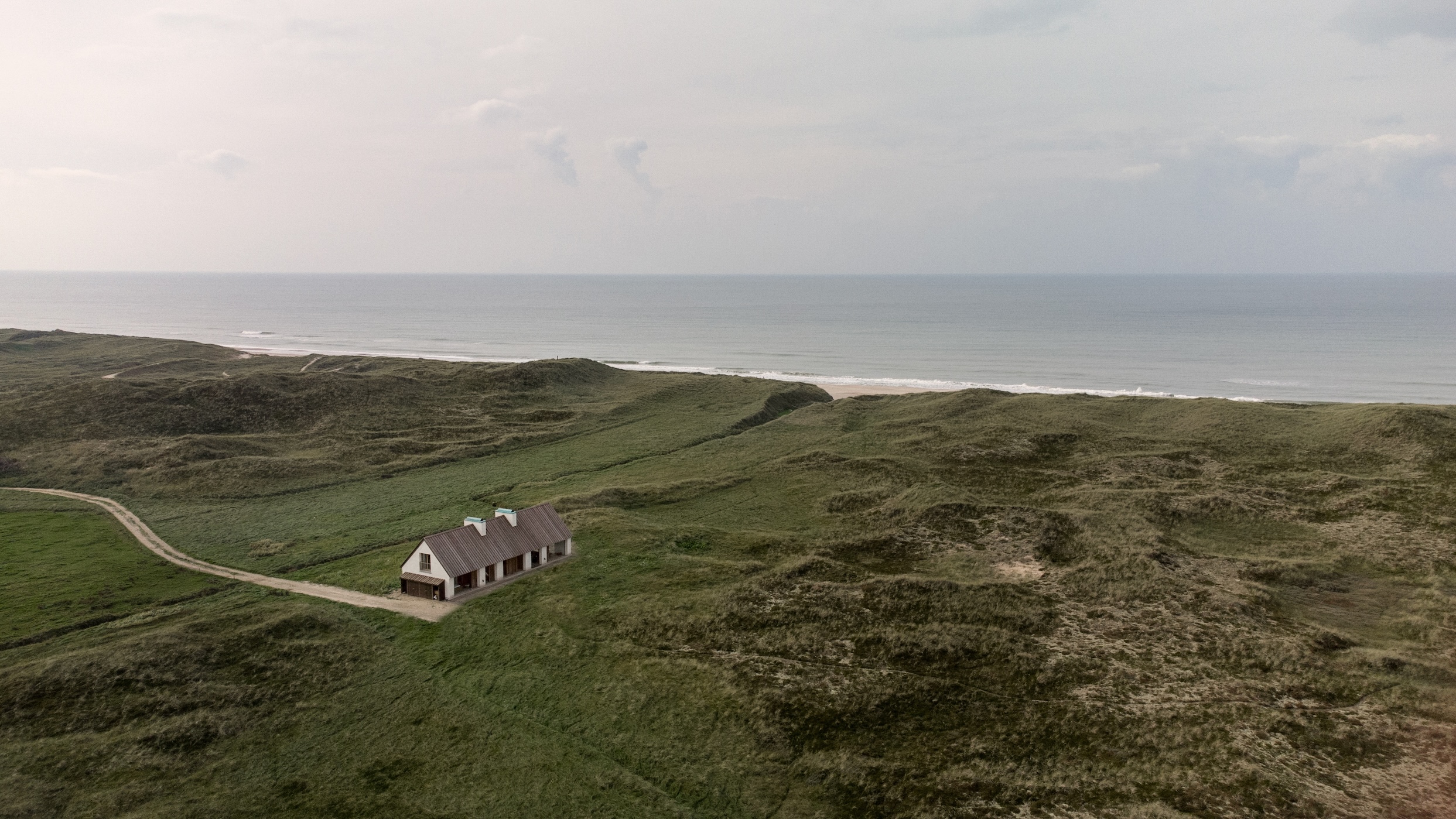
The newest Vipp visitor home sits by itself in a coastal stretch of Denmark referred to as Chilly Hawaii. Vipp is the family-owned Danish design firm that gots its begin in 1939 with the invention of a pedal-operated metal garbage can. Its design choices have grown to incorporate modular steel kitchen techniques, toilet vanities, furnishings, lighting, even cleaning soap dispensers, all with the identical industrial-modernist DNA as the unique bin. And, of late, the model has began opening lodgings in enchanted corners of the world.
Their method is to enlist native design groups to construct or rework current quarters as trip leases that double as Vipp showcases. It’s an method that has labored extraordinarily properly: see, as an example, Vipp’s Tiny Cabins on a Fjord in Norway, The Vipp Mountain Hideaway in Andorra, and The Vipp Pop-Up Palazzo.
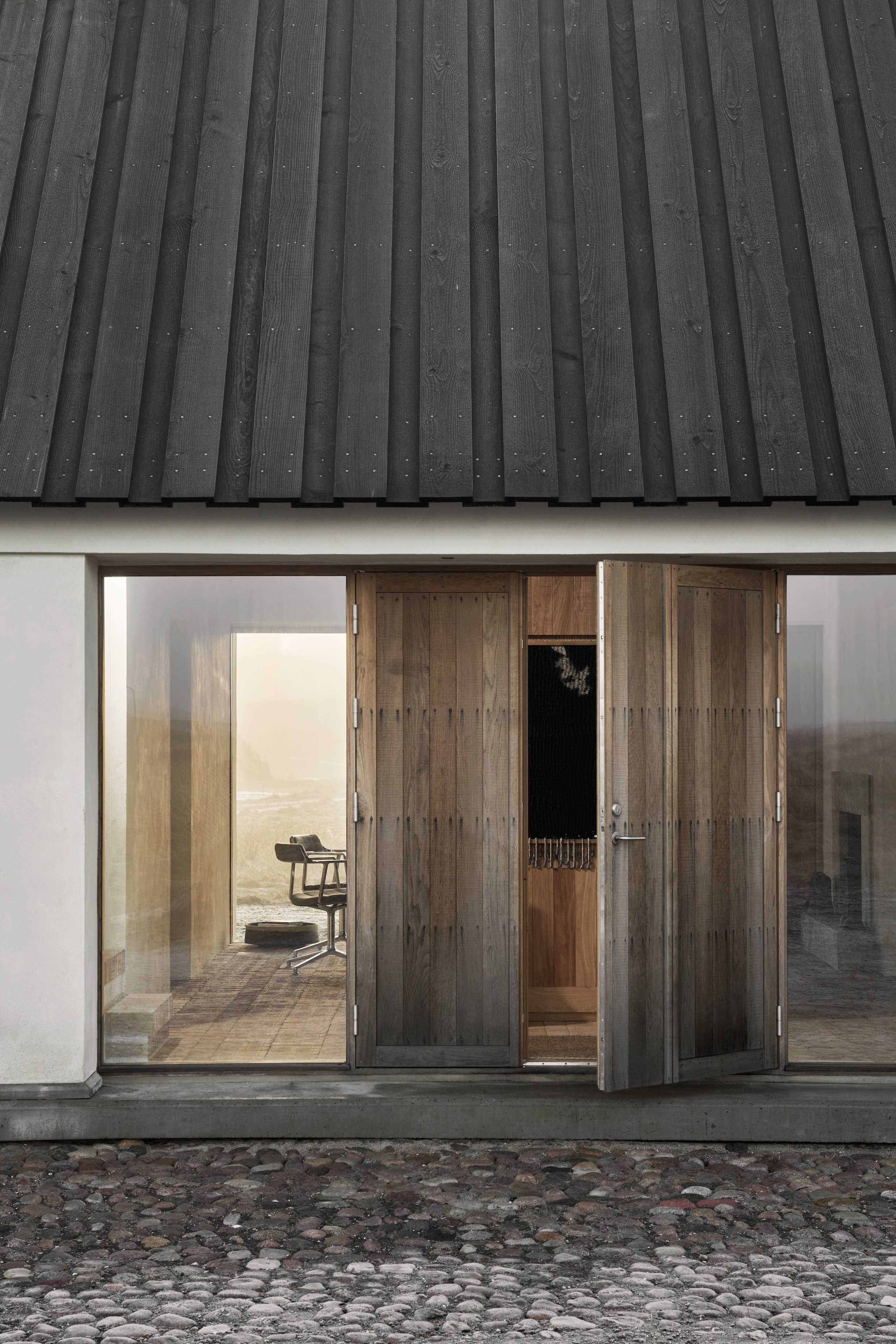
The Chilly Hawaii home is an up to date 1900 fisherman’s cottage on the North Sea; its 2.4 acres are a part of Thy Nationwide Park, the biggest nationwide park in Denmark—and the one space of the nation recognized for nice browsing therefore the Hawaii comparability. Caroline Hahn and Ebbe Lavsen, a younger architect couple who specialise in historic updates, gave the home a recent reinvention utilizing a palette of pure supplies. It’s newly open for reserving and nonetheless has summer season availability. Be a part of us for a glance.
Pictures courtesy of Vipp.



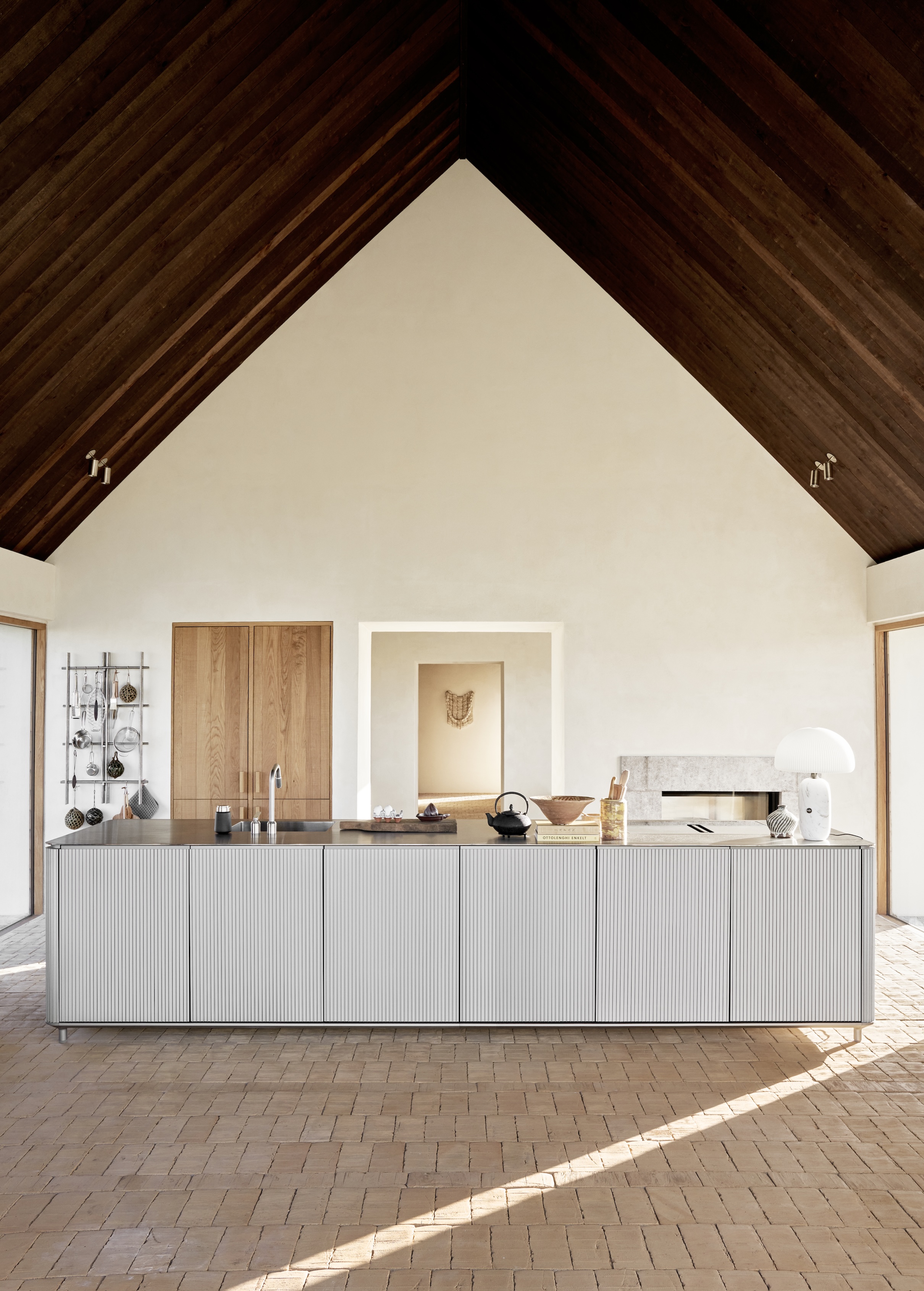
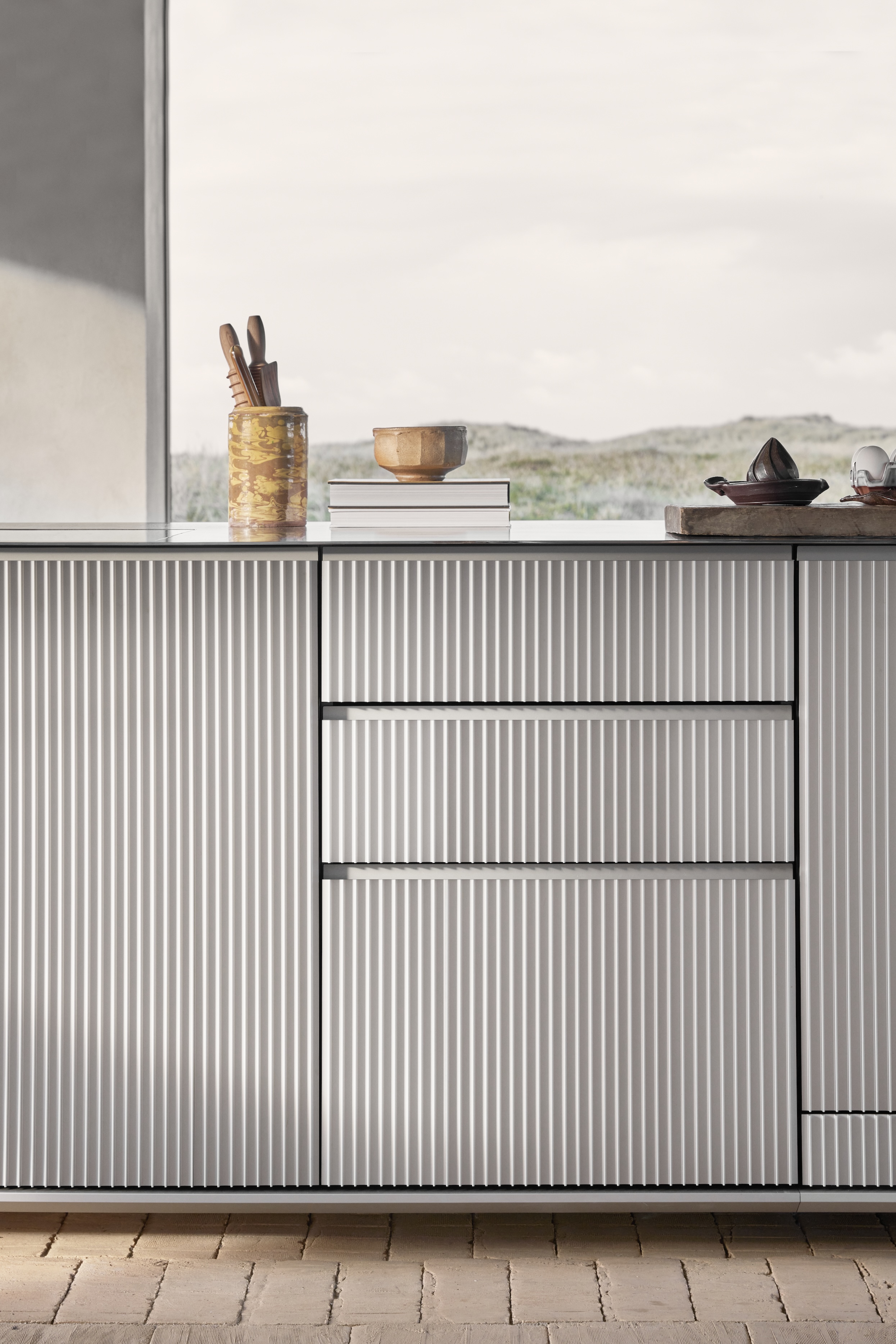
Copenhagen inside designer Julie Cloos Mølsgaard furnished the rooms with Vipp items—such because the Sculpture Desk Lamp in white marble on the island—in addition to work by native artists and space craft retailer and classic finds.

[ad_2]
Source link


